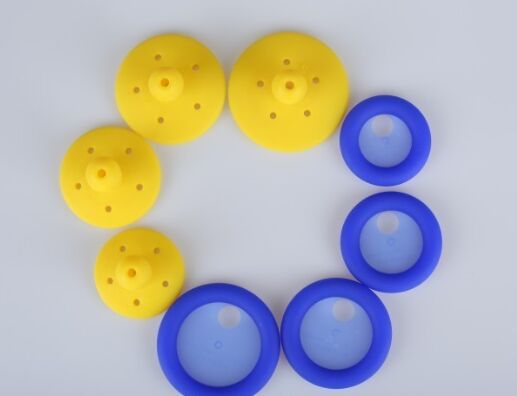
| Brand Name: | AILE |
| Model Number: | custom |
| MOQ: | 20000 |
| Price: | Negotiated |
| Payment Terms: | L/C, T/T |
| Supply Ability: | 100000000 per month |
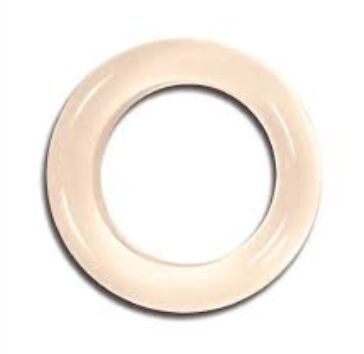
In the field of female pelvic health, the Silicone Pessary is recognized as the premier non-surgical intervention for Pelvic Organ Prolapse (POP). Our high-performance pessaries are specifically engineered for Conservative Prolapse Management, providing immediate symptomatic relief and long-term support without the need for invasive surgery.
Advanced Biocompatibility: Crafted from 100% Medical-grade Silicone, our products are fully biocompatible, ISO 10993 tested, and Latex-free, ensuring patient safety during prolonged mucosal contact.
Optimal Support & Comfort: The unique balance of Shore A hardness ensures the device provides robust support for uterine descent while remaining flexible enough for easy insertion and removal by the clinician or patient.
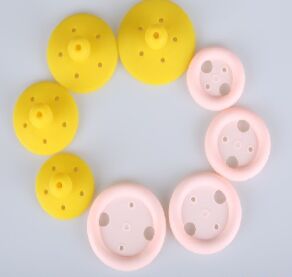
Comprehensive Sizing (Size 0-9): We offer a full range of diameters (50mm to 100mm). This extensive inventory allows providers to cater to diverse patient anatomies, including the commonly requested Size 7 (70mm-75mm).
Autoclavable & Cost-Effective: Unlike disposable alternatives, our silicone pessaries are reusable and can withstand repeated sterilization cycles, making them a sustainable choice for hospitals and clinics.
Our pessary range is essential for:
Urogynaecology Clinics: Managing patients with Grade II-IV prolapse.
Postpartum Recovery: Assisting in Pelvic Floor Rehabilitation and preventing further organ descent.
Geriatric Care: Providing a safe, non-surgical alternative for elderly patients with surgical contraindications.
Is the material safe for long-term wear? Yes, high-grade medical silicone is inert and resistant to the acidic environment of the vaginal tract, minimizing the risk of infection or irritation.
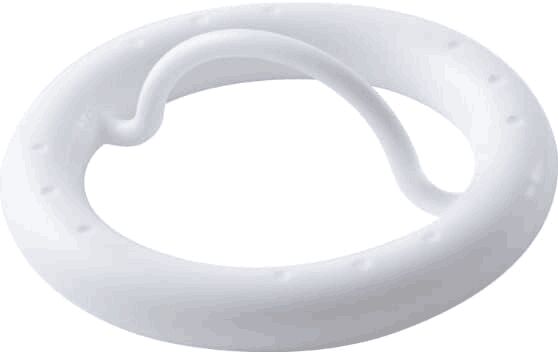
Does it help with Stress Urinary Incontinence (SUI)? Absolutely. Specific designs (like the Ring with Support) provide additional sub-urethral pressure to manage leakage during physical activity.
How do I choose between a Ring and a Donut pessary? Ring pessaries are the first-line choice for general prolapse, while Donut or Gellhorn types are typically used for more advanced stages where stronger support is required.