logo
Products
Home / Products / Veterinary Consumables /

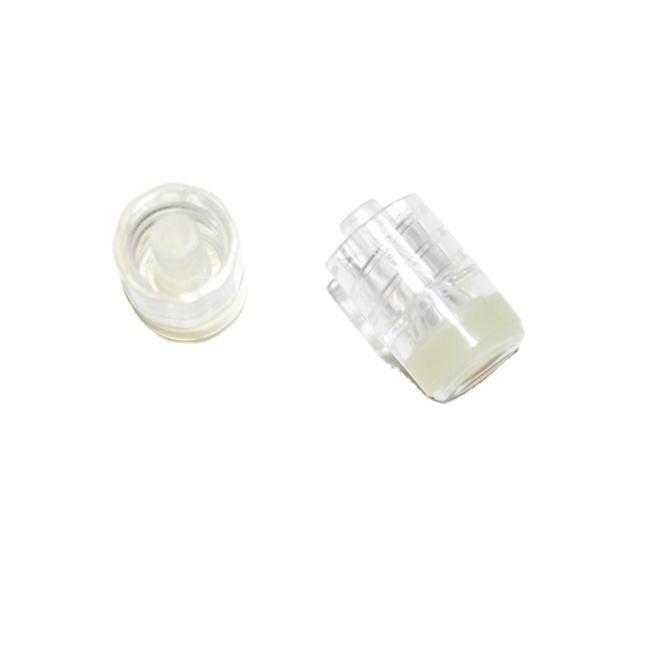
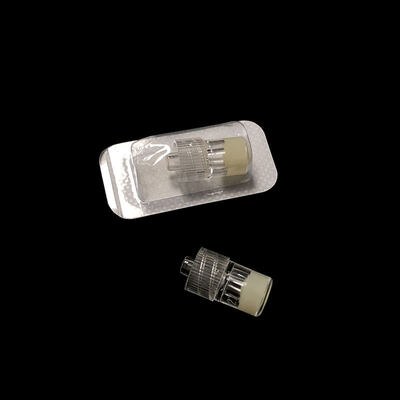
Heparin Lock Cap – High Sterility, Prevents Blood Clots, Compatible with IV Lines

Heparin Lock Cap – High Sterility, Prevents Blood Clots, Compatible with IV Lines

Brand Name: Aile
Model Number: round
MOQ: 5000 PCS
Price: Negotiable
Payment Terms: L/C, T/T
Supply Ability: 1000000 Pieces per Week
Detail Information
Place of Origin:
China
Certification:
ISO/CE
Name:
Heparin Cap
Packaging Details:
Individually packaged
Supply Ability:
1000000 Pieces per Week
Product Description

Heparin Lock Cap – High Sterility, Prevents Blood Clots, Compatible with IV Lines


The Heparin Lock Cap is an essential medical device designed to maintain vascular access in patients who require intravenous (IV) therapy. This cap helps prevent blood clotting within the catheter by introducing a small amount of heparin, a potent anticoagulant, into the IV line. It is widely used in hospitals, outpatient clinics, and other medical settings where long-term intravenous therapy is needed.


The Heparin Lock Cap ensures that the IV line remains patent, preventing clot formation and reducing the risk of occlusion. Its high sterility and ease of use make it an indispensable tool for both healthcare professionals and patients who rely on extended intravenous treatments such as dialysis, chemotherapy, and long-term medication administration.


Key Advantages:


Prevents Blood Clots: The heparin-filled cap prevents the formation of blood clots in the catheter, which can lead to blockages and increased risk of infection.


High Sterility: The cap is individually sterile-packed, ensuring the highest standards of hygiene and patient safety. This minimizes the risk of infection.


Reliable and Leak-Proof: Designed with a leak-proof seal, the Heparin Lock Cap ensures that there is no leakage of medication or fluid, maintaining the integrity of the IV system.


Easy Application: The cap is easy to install and can be securely attached to IV lines, saving time for healthcare professionals during procedures.


Compatibility with Various IV Systems: The Heparin Lock Cap is compatible with most standard IV lines, making it versatile for a wide range of medical applications.


Heparin Lock Cap – High Sterility, Prevents Blood Clots, Compatible with IV Lines 0


Product Specifications:

  • Material: Medical-grade polypropylene (PP) and silicone, ensuring durability and resistance to leaks.

  • Sterility: Each cap is individually packaged in a sterile pouch, ensuring no cross-contamination and a long shelf life.

  • Capacity: Typically filled with 0.5–1.0 ml of 10-100 IU/mL heparin, depending on the patient’s needs.

  • Size: Available in multiple sizes, including 8mm, 12mm, and 15mm diameter options, to fit various IV line setups.

  • Color: Standard clear or color-coded caps for easy identification by healthcare professionals.

  • Shelf Life: Typically 2-3 years, depending on packaging and storage conditions.

Applications and Target Audience:

The Heparin Lock Cap is a versatile tool widely used in:

  • Hospitals and Clinics: For patients requiring IV therapy, chemotherapy, dialysis, or parenteral nutrition.

  • Outpatient Settings: Used for patients who need extended IV therapy at home or in outpatient clinics.

  • Emergency Care: Ensures IV lines remain open during critical care situations, allowing for rapid medication administration.

Target Audience:

  • Healthcare Providers: Nurses, doctors, and medical professionals who manage intravenous treatments will find the Heparin Lock Cap indispensable for maintaining the integrity of IV lines.

  • Patients with Long-Term IV Access Needs: Individuals undergoing chemotherapy, dialysis, or long-term antibiotic treatments will benefit from the use of Heparin Lock Caps.

  • Home Healthcare Providers: Patients receiving home infusion therapy will find this product essential for ensuring that their IV access points remain open and free from clots.

Material Variations:

The Heparin Lock Cap is made from different materials depending on the manufacturer, but common options include:

  • Polypropylene (PP): This is the most common material, known for its high strength and chemical resistance. PP caps are durable, easy to sterilize, and are commonly used in medical devices.

  • Polycarbonate (PC): This material offers higher clarity and strength, although it may be more expensive. It is ideal for applications requiring enhanced visual inspection of the internal structure of the cap.

  • Silicone Seal: Some caps feature a silicone seal for an added layer of protection against leaks and to ensure a secure fit on IV lines.

The choice of material depends on factors such as cost, durability, and specific application requirements.


Conclusion:


The Heparin Lock Cap is an essential medical accessory designed to improve the safety and effectiveness of IV treatments. With its high sterility, reliable leak-proof seal, and ability to prevent blood clots, it plays a critical role in maintaining patent vascular access for long-term medical procedures. Whether for use in hospitals, outpatient clinics, or home healthcare settings, the Heparin Lock Cap is an indispensable tool in modern medical care.


FAQ

1. How does the Heparin Lock Cap work?

The Heparin Lock Cap is designed to maintain patency of the IV line by introducing a small amount of heparin to the catheter. This prevents blood clotting inside the catheter, which can obstruct the line and complicate treatment.


2. Is the Heparin Lock Cap suitable for all patients?
Yes, it is generally suitable for most patients who require long-term intravenous access. However, it is important to consult with a healthcare provider to determine if the product is appropriate, especially for patients with a history of heparin allergies or bleeding disorders.


3. Can the Heparin Lock Cap be used for dialysis patients?
Yes, Heparin Lock Caps are commonly used in dialysis settings to maintain catheter patency and prevent clot formation. They are critical for ensuring uninterrupted treatment and reducing the risk of complications.


4. How often should the Heparin Lock Cap be replaced?
The Heparin Lock Cap should be replaced according to the hospital’s protocol, usually every 24-72 hours, or when there is any evidence of blood clot formation or leakage. It’s also essential to change the cap if there are any signs of infection.


5. Is the Heparin Lock Cap disposable or reusable?
The Heparin Lock Cap is designed for single-use only. Reuse of the cap is not recommended as it may compromise sterility and increase the risk of infection.